Garlic Elixir for Sore Throats

Garlic Elixir for Sore Throats

Garlic – Natures Immune Defence.

Garlic has medicinal properties that have been used for centuries. From, Roman physicians who considered garlic a universal remedy in the first century to Russian doctors in the early 1900s who used garlic for the treatment of respiratory tract diseases. They referred to garlic as Russian penicillin, ref. Furthermore, garlic contains a compound called Alliin (S-allyl cysteine sulfoxide) that helps the immune system fight bugs. Here is my garlic for sore throat home remedy “garlic elixir” (garlic, honey and apple cider vinegar recipe). Use this as soon as the first signs of a sore throat starts to appear.

Ingredients

5 cloves of garlic
4 tablespoons Honey
1 teaspoon apple cider vinegar  

Directions 

First, crush and finely chop the garlic. Place into a clean jar and cover with 4 tablespoons of honey – good antibacterial honey like Manuka Honey or Active Jelly-bush honey. Then leave the mixture to stand for 3-4 hours. Last, of all add the apple cider vinegar.

Dosage 

Take 1/2 teaspoon 4-5 times per day

Caution 

Any persistent cough, accompanied by a headache or fever and or has yellow or green mucus should be evaluated by a healthcare practitioner. One precaution I have read is regarding the honey: do not give honey to children under 1 year of age unless it is pasteurised or boiled for five minutes. I would not give this mixture to a young child. If a child has a persistent cough, they should see a doctor.  

Are you inspired and feeling passionate about this recipe?

Let me know. I would love to hear from you. Furthermore, if you think of a friend or someone special that you would like to read this story… feel free to share it with them. It might be the change they are looking for. Ultimately, my goal is to provide you with the knowledge to make an informed decision on the way to best support your health goals.

If there are any aspects of your diet or health, you would like to discuss or clarify. Contact us through this website or if it is of a more private nature contact me directly.

In wisdom and good health
Brendon.
Phone: 0409 278 320

pastedGraphic.png
Written by: Brendon Groves Clinical Naturopathic Practitioner and Founder of Groves Naturopathics


My Top Three Herbs for Cold and flu

My Top Three Herbs for Cold and flu

Firstly, I Consider the Quality of the Herbs

When you are taking herbs to treat a cold or flu, you need to consider the quality. Especially if in the past you were not entirely happy with the result. Yet, a lot of this comes down to the herb’s quality and the dose. The quality depends on many factors including how the growing conditions, harvesting practices, potency, and manufacturing processes. Check out my post on the quality of herbs “Don’t be Fooled. Not all Herbs are Equal”

Which Herb of Is Right for Your Cold of Flu?

Depending on your circumstances, condition, age and medication. The selection process can be complicated making it difficult to identify what herbs you use. Furthermore, there are other considerations like:

  • What strength of herbs to take
    • Practitioner only (higher strength)
    • Over the counter
  • Side effects:
    • Allergic reactions.
    • Nausea vomiting.
    • Liver and kidney sensitives.
  • When to take the herbs?
    • On an empty stomach.
    • Or with food.

Besides that, if this all seems too overwhelming, you may choose to see me for a personalised professional assessment.

Generally, as a rule, I use these herbs in the clinic for cold and flu.

1. Echinacea angustifolia

Due to, numerous clinical trials have shown echinacea extracts to have the ability to shorten the duration and severity of colds. ref. Echinacea is seen to be a modulator. That means it regulates your immune system to either building immune cells up or down depending on the body’s requirements. ref.

2. Andrographis

Andrographis is a powerful herb that stimulates the body’s natural immune response. It can be used as a preventive. Also, it is beneficial for acute treatment and reducing the duration of cold symptoms.

3. Astragalus membranous

Astragalus is a traditional Chinese herb. On the whole, studies show that Astragalus has both antiviral and immune-enhancing properties, ref. It works by stimulating immune cells, such as.

  • T-helper cells.
  • Monocytes.
  • Neutrophils.
  • Lymphocytes.
  • Phagocytes.
  • Macrophages.

However, to get this result the correct dosage and potency are required for treatment.

Precaution

Any persistent cough, accompanied by a headache or fever and/or has yellow or green mucus should be evaluated by a healthcare practitioner. One precaution I have read is regarding the honey: do not give honey to children under 1 year of age unless it is pasteurised or boiled for five minutes. I would not give this mixture to a young child. If a child has a persistent cough, they should see a doctor.

Caution with anti-rejection medication

In spite of the great benefits of immune herbs. It would be wise if you’re on any anti-rejection medicines to check with your doctor before you take any herbs that may interfere with your medication.

If you are you inspired and feeling passionate about this article?

Let me know, I would love to hear from you. Furthermore, if you think of a friend or someone special that you would like to read this story… feel free to share it with them. Ultimately, my goal is to provide you with the knowledge to make an informed decision on the way to best support your health goals.

If there are any aspects of your diet or health, you would like to discuss or clarify. Contact us through this website or if it is of a more private nature contact me directly.

In wisdom and good health
Brendon.
Phone: 0409 278 320

Brendon-Groves-Naturopath-Practitioner
Written by: Brendon Groves Clinical Naturopathic Practitioner and Founder of Groves Naturopathics


12 Great Hygiene Protocols to Help Stay Well 

12 Great Hygiene Protocols to Help Stay Well 

Prevent Catching a Cold or Flu with These Hygiene Protocols.


1. Washing Your Hands Regularly

Washing your hands regularly one of the best ways to prevent the spread of colds and flu. Furthermore, cross-contamination with unwell people is the most significant contributor to the spread of viruses. So, wash your hands with soap and warm water after: 

  • Shaking hands.
  • Touching door handles or handrails.
  • Using an ATM, touching money.
  • Touching surfaces that other people use regularly. 


2. Put Your Used Tissues In The Rubbish Bin.

Hygiene Protocols to Help Stay Well 3

Put you your used tissues in the rubbish bin and wash your hands. Don’t leave the germs to spread all over the place.


3. Wash Up

Wash up, put your dirty cups in the dishwasher. Don’t share cups, glasses, plates, cutlery and towels with other people even your family.


4. Cover Your Nose

Cover your nose when sneezing and mouth when coughing. Did you know that when you sneeze the mucus travels at over 160 km per hour. The viral droplets can be active for up to 45 minutes after the sneeze. Don’t forget to wash your hands


5. Keep Surfaces Clean

Keep surfaces clean with an environmental friendly multi-purpose cleaner like eucalyptus or tea tree base.
Clean your:

  • Desk
  • kitchen and bathroom bench tops
  • Communal areas – kitchen bench tops, toilets, bathrooms, shopping trolley handles


6. Don’t Put Your Hands in Your Mouth

Don’t put your hands in your mouth unless you have washed them.

travelator handrail

7. Don’t Touch the Handrail

Don’t touch the handrail on the stairs or escalator unless you need too. Afterwards, wash your hands.


8. Keep Anti-bacterial Wipes

Keep anti-bacterial wipes in your bag or pocket.


9. Change Pillowcase

Hygiene Protocols to Help Stay Well 2

Change pillowcase regularly with a clean one.


10. Don’t Clean Your Fingernails With Your Teeth

Don’t clean your fingernails with your teeth, as germs can get right into your system.


11. Maintain Nasal Hygiene

Maintain nasal hygiene. It is often forgotten. Use a saline nasal spray to help to cleanse the nasal tissues and flush out viruses from the nose maintaining nasal immunity.


12. Clean Your Toothbrush 

clean your toothbrush 1

Clean your toothbrush once per week. Change your toothbrush every 2-3 months.

How to clean your toothbrush

  • In a small cup, mix 1 part apple cider vinegar with 1 part water. 
  • Place your toothbrush in the cup, make sure the bristles are covered
  • Leave to soak overnight – can also help to kill germs.
  • Note apple cider vinegar has been shown to be anti-viral, anti-fungal, anti-bacterial, antiseptic, and it is natural. 


Are you inspired and feeling passionate about this post?

Let me know. I would love to hear from you. Contact us Furthermore, if you think of a friend or someone special that you would like to read this story… feel free to share it with them. It might be the change they are looking for.

In wisdom and good health
Brendon.
Phone: 0409 278 320

pastedGraphic.png
Written by: Brendon Groves Clinical Naturopathic Practitioner and Founder of Groves Naturopathics

12 Naturals to Consider this Winter

12 Naturals to Consider this Winter

Prevent Cold and Flu With Natural Medicines 

Studies show that Natural Medicines can prevent cold and flu and boost your immune system as well as provide a direct defence against infection.

1. Zinc 

Zinc inhibits cold and flu viruses and it is a key mineral to assist your immune system in reducing the severity and duration of a cold or flu. I do not use the RDA (recommended daily allowance) because the levels are too low when preventing health conditions.

So, it would be wise to include throughout your day a variety of the following foods to maintain healthy zinc levels of around 15 mg per day. Supplements are needed if your immune system is compromised. Here are the foods that are high in zinc. Each milligram (mg) amount relates to 100 grams of that food.

  • Oysters 18 mg 
  • Beef 8 mg 
  • Cashews 5.5 mg  
  • Lamb 5.3 mg 
  • Pork 4.6 mg
  • Cheese 4 mg
  • Almonds 3.6 mg
  • Lentils 3.3 mg
  • Chicken 2.5 mg
  • 10.Oats 2.3 mg 

2. Vitamin C 

As a result of the colder months in winter, there is an increase in cold and flu occurrences throughout the community. Vitamin C supports healthy immune function by enhancing the activity of white blood cells. Also, it helps reduce the severity and duration of symptoms. To combat this, you will need more vitamin C, approximately 500 mg per day. Either take a vitamin C supplement or include these foods several times throughout the day. The amount of vitamin C relates to 100 grams of that food.

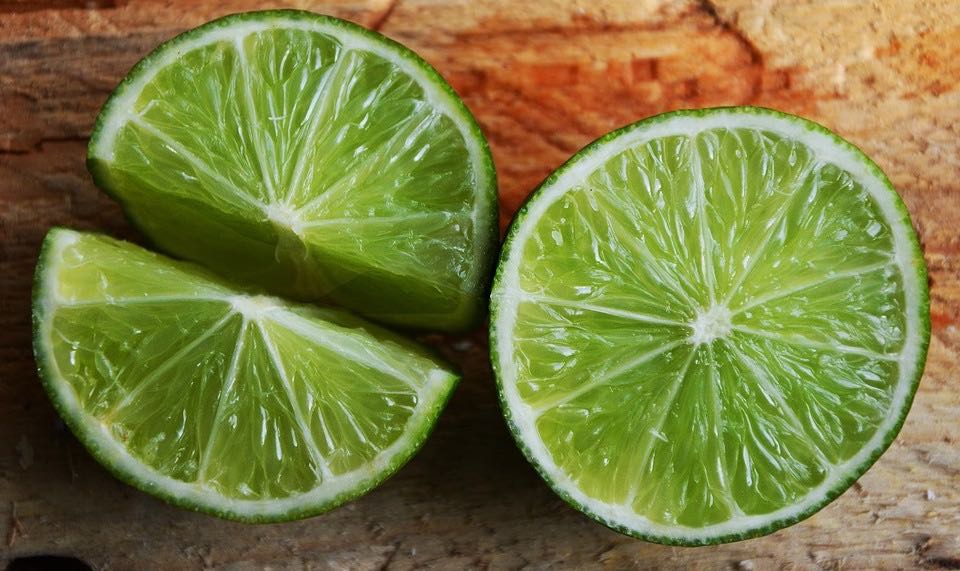
  • Limes 347 mg
  • Nori 290 mg 
  • Capsicum red 172 mg
  • Parsley 123 mg
  • Lemon peel 129 mg
  • Kale 120 mg
  • Broccoli 106 mg
  • Kiwifruit 110 mg
  • Cabbage 100 mg
  • 10.Rocket 83 mg

Additional supplemental vitamin C will be required if your catch a cold of flu.


Sunshine Vitamin D

3. Vitamin D

Vitamin D acts as an inflammatory and also helps to build your immune system if you are deficient. What can you do if you can’t get any sun to increase your vitamin D? ref. Aim to increase your intake of food rich in vitamin D to1000 IU per day.
If you get sick, depending on your vitamin D deficiency, you may need a supplement dose of around 2000-5000 IU per day. With that said here are the foods that are high in vitamin D. Each International Unit (IU) amount relates to 100 grams of that food.

  • Fish. 
    • Salmon, sushi style 170 IU
    • Canned pink salmon 500 IU
    • Sardines 130 IU
    • Cod 20 IU  
  • Mushrooms contain on average 170 IU
  • Egg yolks – 28 IU


Echinacea-purpurea-complementary-medicine

4. Echinacea 

Echinacea acts as an immune modulator. So, if your immune system is low echinacea boosts your immune cells. If your immune system is overactive, it balances the immune function depending on the body’s needs ref. The two types of echinacea have been shown to provide benefits to the immune system: 

  • Echinacea Angustifolia
  • Echinacea Puprurea 

Start with tablets or capsules and follow the instructions on the label. 

A higher dose may be recommended by a naturopath or herbalist depending on the severity of your condition and the supplement’s potency.


5. Andrographis 

Andrographis is a powerful herb that stimulates the body’s natural immune response. It can be used as a preventive. Also, it is beneficial for acute treatment and reducing the duration of cold symptoms.


6. Astragalus 

Astragalus membranous is a traditional Chinese herb. On the whole, studies show that Astragalus has both antiviral and immune-enhancing properties, ref. It works by stimulating immune cells, such as.

  • T-helper cells.
  • Monocytes. 
  • Neutrophils. 
  • Lymphocytes. 
  • Phagocytes. 
  • Macrophages.


garlic for sore throat

7. Garlic

Garlic has medicinal properties that have been used for centuries. From, Roman physicians who considered garlic a universal remedy in the first century to Russian doctors in the early 1900s who used garlic for the treatment of respiratory tract diseases. They referred to garlic as Russian penicillin, ref. Furthermore, garlic contains a compound called Alliin (S-allyl cysteine sulfoxide) that helps the immune system fight bugs.

How to use garlic


onion-cough relief

8. Onion

The use of raw onion dates back to the 1500s where it was used to reduce symptoms of colds, flu and other mild respiratory conditions. More specifically runny nose, sore throat, congestion, mucus and coughs. Due to compounds found in onions called flavonoids and organosulfur. As a result, onions are a great way to manage these mild respiratory conditions. This onion cough mixture may help to soothe a sore throat.

How to use onion


Ganoderma Tea

9. Medicinal Mushrooms 

Medicinal mushrooms can make a big difference towards prevention and recovery. Studies have shown:

  • Cordyceps
  • Coriolus
  • Shiitake
  • Reishi 

To be beneficial in enhancing the immune system. Besides that, they assist in resolving short-term, chronic and recurrent infections. 

How to use Medicinal Mushrooms 

  • The best way to start is to add mushrooms to your meals 4-5 days per week. Taking them once a month will not give you any benefit.  
  • Make mushroom tonic to boost your immune system. Try my recipe for Ganoderma Tea.
  • Quality and dosage. All the products with supply have met our high standards. Generally, I recommend taking tablets or capsules. The dose will vary depending on the severity of your condition and the supplement potency. As a starting point follow the recommendations on the label. 
  • You may be looking to try mushrooms for a specific health issue. It would be wise to seek the professional advice of a doctor or naturopath beforehand.
  • Also, avoid picking mushrooms in the wild unless you are one hundred percent sure you know what it is. Many toxic mushrooms grow in the wild, be careful. A friend of mine almost died from liver failure after eating what he thought was eatable mushroom in the forest.


10.Ginger 

Studies show fresh ginger supports the immune system with its anti-viral action, ref. Besides that, it is also anti-spasmodic meaning it can help to stop coughing spasms.

Ginger Tea 

Ingredients

1 tsp of freshly diced ginger
1 cup boiling water

Directions 

Finely dice ginger until you have approximately 1 tsp of fresh diced ginger. Place it in a cup and add boiling water, and put a saucer on top of the cup and allow steep for 10 minutes.  Drink like normal tea. If you have a persistent cough, you may notice your cough less. As a guide, have 2-3 cups spread out over the day.  

11. N-acetyl L-cysteine

Also, know as NAC for short, N-acetyl L-cysteine is sourced from the amino acid L-cysteine. It has been shown to reduce the duration and severity of the flu. One large study’s results over six months measure a 54% reduction in flu symptoms when compared to the placebo group. NAC significantly reduces the duration and severity of flu symptoms. The research also mentioned that NAC is helpful in the prevention and assist in the treatment of cold and flu in both children and the elderly. ref

12.Probiotics 

Probiotics are one of the best defences against ingested pathogens. To illustrate this – probiotics reduce cold and flu occurrence. ref. Furthermore they have been scientifically proven to enhance immune responses due to their ability to support a healthy gut immunity. Also these specific probiotic strains have been shown to reduce the symptoms and duration of the common cold:

  • Lactobacillus rhamnosus (LGG)
  • Lactobacillus plantarum HEAL 9 and 
  • Lactobacillus paracasei 8700:2


Check out my post on the quality of herbs “Don’t be Fooled. Not all Herbs are Equal”

If you have trouble getting any of these herbs, give me a yell.


Are you inspired and feeling passionate about this post?

Let me know. I would love to hear from you. Contact us Furthermore, if you think of a friend or someone special that you would like to read this story… feel free to share it with them.

In wisdom and good health
Brendon.
Phone: 0409 278 320

pastedGraphic.png
Written by: Brendon Groves Clinical Naturopathic Practitioner and Founder of Groves Naturopathics


12 Essentials to Muscle Up Your Immune System  

12 Essentials to Muscle Up Your Immune System  

The Most Effective Ways To Muscle Up Your Immune System This Winter


1. Be Street Smart.

There’s a reason we have less sun in the winter. We are meant to slow down and rest more. 

  • Make sure you get plenty of rest to restore your immune system.
  • Do not stay out late and party till the wee small hours. 
  • Give your body a chance to gather strength and make sure you pace yourself. 
  • Sleep – get a good night’s sleep, aim for 7 to 8 hours each night to restore energy and increase resilience. So, you don’t get run down.

2. Drink Plenty of Water

Keep yourself well hydrated. Furthermore, drink water at room temperature.

3. Don’t Drink Cold Fluids

Cold fluids may lower your core body temperature and make you more susceptible to cold and flu.

4. Avoid Sugar

Avoid sugar and refined carbohydrates. As a result eating foods that contain simple carbohydrates can make your symptoms worse. Due to the fact that viruses and bacteria use sugar as their source of energy.

5. Eat foods that support your immune function

Regularly practice eating foods that support your immune function such as garlic, ginger, onion, honey and chilli to help fight off illness.  

6. Reduce Congestion

Reduce mucus forming foods like, cow’s milk, cheese, yoghurt, sour cream, ice cream, donuts, cakes, pizza, biscuits and chocolate.

Eat your vegetables for your health

7. Eat Your Veggies

Eat your veggies (and fruits)! — They contain an abundance of essential nutrients and antioxidants that will help support a healthy immune system. Have at least 2 of cups vegetables and 1/2 cup of fruit per day that is high in antioxidants:

    • Kale
    • Red cabbage 
    • Green beans
    • Beetroot
    • Spinach 
    • Artichokes
    • Blue berries
    • Strawberries
    • Raspberries 

8. Eat Warming Foods

Eat warming foods over the winter months to keep your core temperature stable. For example:

  • Steamed, stir fry or roasted vegetables 
  • Hot breakfast; poached eggs, omelette, porridge.
  • Cooked lunches and dinners – roasts, stews, soup. Studies show that chicken soup contains properties that can help break down congestion. Here is the recipe for Chicken Soup for Cold and Flu.


Oats A Great Prebiotic. Photo by Klara Avsenik on Unsplash
How to Make Porridge 

chicken-soup-food-as-medicine
How to make chicken soup for the immune system

9. Keep Warm 

Keeping warm is important. Your body only has a finite amount of resources to keep you warm. Those resources are limited to your stores of glucose, fat and hormonal reserves. The body’s process of regulating and maintaining your core body temperature is called thermoregulation. For example:

  • Vasoconstriction is where your blood vessels decrease blood flow to your skin to retain heat and warmth the core of your body. As a result you may notice that your hands and feet get cold. 
  • Thermogenesis is where the body increases energy to the muscles, brain and organs to produce heat. 
  • Hormonal thermogenesis occurs by the release of hormones from the thyroid gland, increasing your basal metabolic rate which is directly linked to your temperature. 
  • So you don’t stress your body out, you can maintain body temperature by: 
  • Don’t get a chill, wear a singlet to keep an extra layer of warmth to your body.  
    • Take a leaf out of natures book – as it gets closer to winter animals get a thicker coat. So, it would be wise to add extra layers of clothing over the colder months. For example take a jumper or jacket with you. 
    • Working out increase your body temperature so much that it makes you sweat. The sweating is design to cool you down. Once you have finished the workout replace your sweaty clothes to prevent you catching a chill.
    • Wet hair is another way to cool down your core temperature. Don’t go out with wet hair or go to bed with wet hair.

10. Gargle Salt Water

A salt water gargle a few times per day will help to loosen mucus and flush out bacteria in the throat. Which salt is best? Use either Himalayan salt or Celtic sea salt. 

Recipe for throat gargle

1 small glass of warm water
1/2 teaspoon sea salt

Directions: 

Add salt to water stir until dissolved. At the first sign of mucus or discomfort. Gargle (do not swallow). Gargle 2-3 times per day.

11. Reduce Stress 

Reduce stress — being stressed reduces immune system function, so make sure you incorporate: 

  • Regular time-out – chill out and take some ‘green’ time, such as walking outdoors or playing with pets.
  • Don’t get stressed. Being under stress will not make you sick but when you come out of the stressful situation that is when most people get sick. This is due to the drop in cortisol levels — that’s why executives get sick when going on holidays.
  • If you get stressed make sure you get enough sleep.
  • Meditation will reduce anxiety, stress and cortisol levels. Most meditation practices are about the breath. When you breathe deeply and slowly the vagus nerve signals your nervous system to slow the heart rate, lower blood pressure, and reduce cortisol levels. Regular practice even just 15 minutes per day will help to reduce your “fight-or-flight” stress response. I am no expert on meditation, but have developed my own technique that works for me. There are meditation courses where you can learn how to practice meditation. 
  • Mindfulness techniques also help to reduce stress. 
    • That means being conscious of what you are doing. 
    • And not multitasking – like eating a meal with no screen time. 
    • Don’t be in your head thinking of other things while you are doing a task, focus on the job at hand.

12. Excercise 

Enjoy regular exercise — keeping physically fit can contribute to good health and help towards achieving a healthy immune systemref.

Are you inspired and feeling passionate about this post?

Let me know. I would love to hear from you. Contact us Furthermore, if you think of a friend or someone special that you would like to read this story… feel free to share it with them. It might be the change they are looking for.

In wisdom and good health
Brendon.
Phone: 0409 278 320

pastedGraphic.png
Written by: Brendon Groves Clinical Naturopathic Practitioner and Founder of Groves Naturopathics

Immune Boosting Soup for Cold and Flu

Immune Boosting Soup for Cold and Flu

Chicken Soup for the Immune System 

Chicken soup has long a history as a remedy for symptom relief for upper respiratory tract infections like colds and flu. Scientific research confirms that chicken soup has a mild anti-inflammatory effect which is thought to provide a symptomatic relief in these upper respiratory tract infections. ref. Studies show that chicken soup contains properties that can help break down congestion.

Here is a recipe for chicken soup for cold and flu

Ingredients

1 whole chicken
10 garlic cloves
3 bunches of parsley
1 bunch coriander
1 tsp rosemary
1 tsp thyme
1/4 tsp pepper
1 tsp of fresh ginger
1 tbsp lemon
1 tsp mint leaves
1 tsp curry powder
5 carrots
5 celery stems

Directions

Add all ingredients into pot, cover with water, bring to the boil and then simmer for 1 hour and 20 minutes. Sip the fluid only – 3 bowls per day. Cleans up congestion in a day. You may wish to use a pressure cooker to reduce the cooking time. The rest of the family can have the chicken and vegetables.

Precaution

Any persistent cough, accompanied by a headache or fever and/or has yellow or green mucus should be evaluated by a healthcare practitioner. One precaution I have read is regarding the honey: do not give honey to children under 1 year of age unless it is pasteurised or boiled for five minutes. I would not give this mixture to a young child. If a child has a persistent cough, they should see a doctor.

Are you inspired and feeling passionate about this post?

Let me know. I would love to hear from you. Contact us Furthermore, if you think of a friend or someone special that you would like to read this story… feel free to share it with them.

In wisdom and good health
Brendon.
Phone: 0409 278 320

pastedGraphic.png
Written by: Brendon Groves Clinical Naturopathic Practitioner and Founder of Groves Naturopathics