by Brendon Groves | 22/02/2019 at 11:13am | Summer, Weight Loss
Is Paleo Diet Right For You?
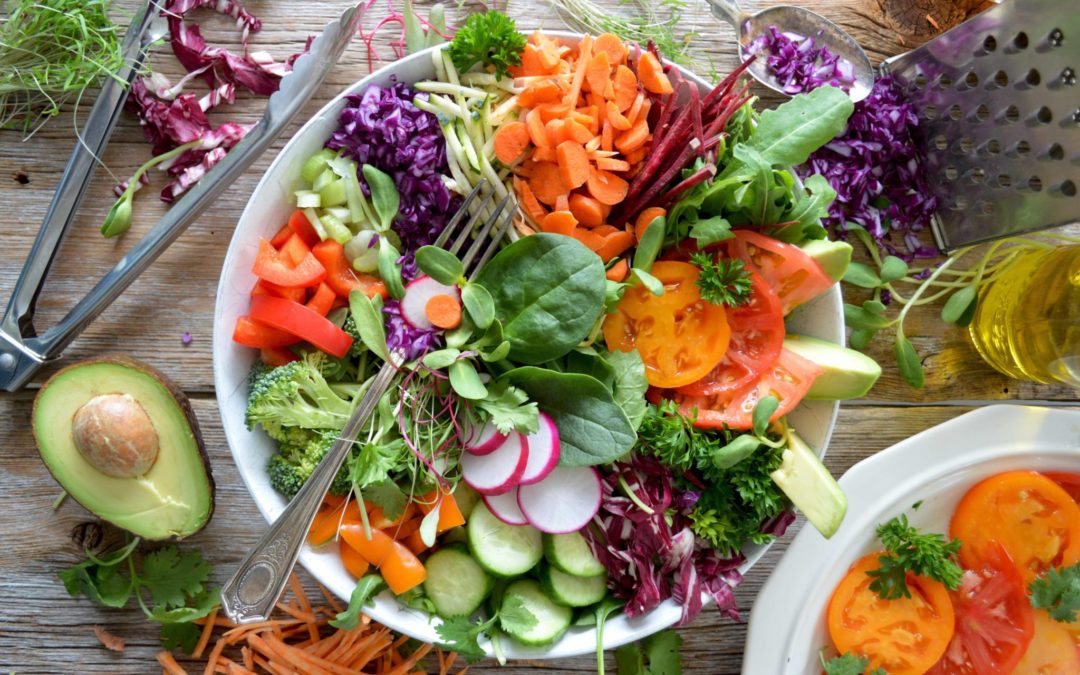
Paleo Diet has gained notoriety over the last few years. The diet’s roots originate from the caveman days of palaeolithic man when he was a hunter-gatherer before farming emerged about 10,000 years ago. Researchers believe palaeolithic man ate whole foods like:
- Meat
- Fish
- Eggs
- Fruits and Vegetables
- Nuts and seeds
- Herbs and spices
- Fats and oils (nut oils and olive oil)
In addition to whole foods, the palaeolithic man was physically actively hunting and gathering. Nowadays we don’t hunt down our meal with a big club the supermarket make it easy, we don’t ever have to move if we order online.
What Is The Paleo Diet?
The paleo diet is an eating plan based on whole foods with a large portion dedicated to meat intake. Also, here is a list of other foods that are NOT allowed in the diet:
- Processed foods
- Sugar
- Soft drinks
- Grains
- Dairy
- Legumes
- Artificial sweeteners
- Vegetable oils (all, except olive oil)
Any weight loss diet including this one is not suitable in pregnancy or for a breastfeeding mother.
History
Controversy is all over the paleo diet history. There is a lot of debate on what hunter-gatherers ate thousands of years ago. Did they eat lots of meat? Does it depend on the season, latitude and diversity of the area where they lived?
Consequently, there would have been a variety of diets where some ate a low-carb diet high in meat foods, and other areas they ate high-carb and plant-based foods.
Similarly, there would have been a mix of these two eating styles in other locations. The palaeolithic man lived as a hunter and gather, and they did not eat every day, sometimes their hunting was not successful. Fruits and vegetables in Palaeolithic times where very different to today food wild carrots are thin with lots of fibre that you have to spit out, wild bananas are full of seeds and are almost impossible to eat. Ted Talk
Paleo Diet Eating Recommendations
Eat
- Meat: beef, lamb, pork, chicken, wild game
- Fish: Salmon, mackerel, tuna
- Eggs: Free range
- Vegetables: Cabbage, broccoli, kale, capsicum, carrots, tomato.
- Fruits: Berries, stone fruit, apples, pears, citrus, avocados.
- Nuts and seeds: Almonds, macadamia, walnuts, sunflower seeds, pumpkin seeds
- Fats and oils: Olive oil, coconut oil, avocado oil
Avoid
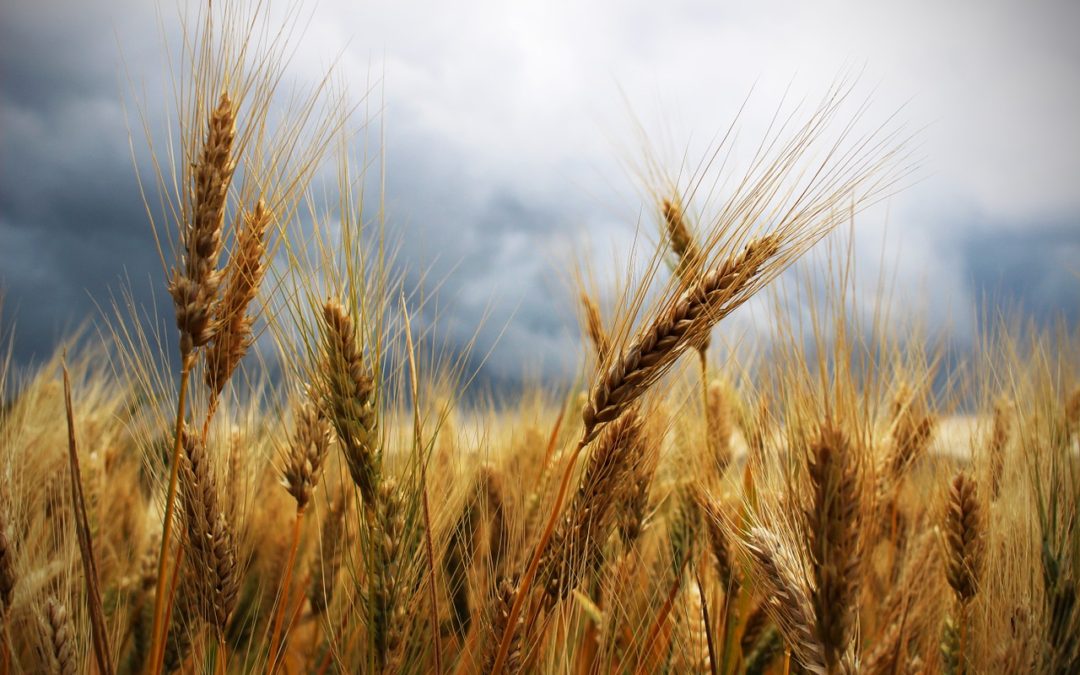
- Grains: Wheat, oats, barley, wheat, spelt and rye
- Legumes: Beans, lentils, peanuts and peas
- Dairy
- Sugar: HFCS, soft drinks, fruit juices, sweets, and pastries
- Salt
- Potatoes
- Processed
- Vegetable oil (except olive oil)
- Artificial sweeteners
What is the Modified Paleo Diet?
People have come to realise that the original paleo diet was not healthy having aggressive levels of meat intake. What followed was a modification to the diet making it more acceptable, here is the modified paleo diet, the bold text are changes or additions:
- Eat meat sparingly
- Legumes
- Dairy
- Fish
- Eggs
- Fruits and Vegetables
- Nuts and seeds
- Herbs and spices
- Fats and oil
Diet Guidelines
Always check with your health care professional before starting a new diet. Food and herb-drug interactions do happen. With that in mind, this diet is recommended for the prevention of:
- Insulin resistance
- Improved glucose tolerance
- Weight loss
- Improve appetite management
The Key Point
The paleo diet is modelled on the perceptions of what our ancestors were eating habits as hunter-gatherers. They ate whole food, meat, fish, vegetables, fruit, nuts, seeds, and NO processed food. As I am a responsible health care professional, I would like to reiterate not to do this diet if you are pregnant or breastfeeding.
As we age our diet changes, when we are 20-30 is not the same as when we are 40-50 and so on. Similarly, today’s diets are more complex than any ancient hunters-gathers diet which had a completely different lifestyle to ours. I recommend you study the facts for and against the paleo diet come to your own opinion. I found the talk by TED Fellow Christina Warinner is an expert on ancient diets very insightful. Ted Talk
If there are any aspects of your diet, you would like to discuss or clarify, please feel free to contact me through this web site or if it is of a more private nature contact me through my direct email. My goal is to provide you with the knowledge to make an informed decision on what diet best supports your health needs.
Diets Covered
In wisdom and good health
Brendon.
Phone: +61 409 278 320

Written by: Brendon Groves Clinical Naturopathic Practitioner and Founder of Groves Naturopathics
by Brendon Groves | 21/02/2019 at 11:23am | Summer, Weight Loss
Is Intermittent Fasting Right For You?
Intermittent fasting has one of the biggest followings today. Studies show that intermittent fasting may be one of the most effective strategies for the treatment of overweight and obesity ref
Here are some of the many reasons for this diet popularity for this:
- Weight loss
- It’s simple
- More food options
- It can save you money, make fewer meals
- It fits most people’s lifestyle
What Is Intermittent Fasting?
The term intermittent fasting refers to the cyclic nature of the diets. In order to lose weight you need to spend more time not eating that time eating. There is no right or wrong way to do intermittent fasting, it boils down to your needs and your levels of health. Consequently the timing is critical for weight loss and your success will depend on how you manage:
- Eating – the time you eat
- Fasting – the time you do not eat
You Are Already Doing Intermittent Fasting!
You are already fasting, every night for 8-9 hours when you sleep. At night your body users up the energy from the days food intake. The next morning you break-the-fast and start eating again. Intermittent fasting increases the amount of time you don’t eat and limits the time you do depending on the timing system you choose will depend on how stored energy you want to lose.
Popular Intermittent Fasting Plans
- 16:8 Method, fast for 16 hours, eat over 8 hour period
- 18:6 Diet, fast for 18 hours out of the day, eat over 6-hour
- 5:2 Diet is very popular. 5 days eating 2 days off
- Alternative Day Fasting, eat one day, fast the next, repeat
- 24 Hour Fasting 1-2 times per week
What to Eat In the Eating Phase
The more carbs you eat the longer the fasting time required before weight loss occurs. So with that said eat:
- Low carb foods, refined carbs just make losing weight harder for you.
- Lean protein
- Lots of low glycemic vegetables
- A small amount of fruit
- Limit the bread, pasta, rice and potato
Fasting Phase
In the fasting phase drink water, back tea, and coffee. The 5:2 diet allows on the 2 fasting days calories of up to 500–600 per day.
History
For 1000s of year fasting has been a practice. Ancient hunter-gatherers experiment days of fasting if they if they couldn’t find anything to eat. They went without. As a result, humans evolved to cope without food for extended periods of time. Religious have been practicing fasting for centuries.
Intermittent Fasting Boosts Your Metabolism
Intermittent fasting can boost your metabolism and improve the hormones like leptin that help you eat less. It’s an effective way to lose belly fat. However if you binge and eat massive amounts of carbs during your eating periods, you may not lose any weight at all. Here is the list of some of the benefits:
- Human Growth Hormone (HGH) increases fat loss and muscle gain.
- Insulin sensitivity improves, which lowers insulin levels to facilitate weight loss. and longevity.
- Cellular repair increases.
- Gene expression changes which increases longevity and immune protection.
Don’t Do Intermittent Fasting If:
Intermittent fasting is not suitable for everyone especial if you have a medical condition. It would be wise not to do Intermittent fasting if:
- You have a chronic disease like diabetes or a medical condition seek medical advice and see your doctor before starting this diet.
- You have problems with blood sugar regulation, like hypoglycaemia.
- Have low blood pressure.
- You are underweight.
- Have a history of eating disorders.
- Not suitable for children.
- Studies show that there is evidence intermittent fasting may be harmful to some women:
- When trying too conceive.
- With a history of amenorrhea.
- Who are pregnant or breastfeeding.
Diet Guidelines
Always check with your health care professional before starting a new diet. Food and herb-drug interactions do happen. With that in mind, this diet is recommended for the prevention of:
- Cardiovascular disease
- High Cholesterol
- Obesity
- Metabolic syndrome
- Insulin resistance
The key point
Intermittent fasting is a means of timing when to eat. You need to match the type of fasting diet up with your body type and medical condition if any. I cant make this point strong effect, see a health care professional to make sure you will be safe on the diet. The main side effects of intermittent fasting is hunger and fatigue this normally happen when you initially start the diet.
If there are any aspects of your diet, you would like to discuss or clarify, please feel free to contact me through this web site or if it is of a more private nature contact me through my direct email. My goal is to provide you with the knowledge to make an informed decision on what diet best supports your health needs. Mediterranean, Gluten-Free, Low Carb, Ketogenic, Intermittent Fasting, Paleo Diet, Vegetarian Diet
In wisdom and good health
Brendon.
Phone: +61 409 278 320

Written by: Brendon Groves Clinical Naturopathic Practitioner and Founder of Groves Naturopathics
by Brendon Groves | 20/02/2019 at 9:01am | Summer, Weight Loss
Is Ketogenic Diet Right For You?
If you have put on the weight over the past few years and tried all types other diets to no avail, then the ketogenic diet may just be what you are looking for. It directly targets your fat stores. The fat is burnt off through a process called ketosis. All you have to do is stick to the plan to get the results. Many systems in the body will benefit from losing your surplus fat:
- Cardiovascular system
- Nervous system
- Digestive system
- Endocrine system (hormones)
- Lymphatic system
- immune system
- Muscular system
- Reproductive system
- Respiratory system
- Skeletal system
So What Is A Ketogenic Diet?
It is a way of eating that turns on ketosis, your body’s fat burning mode. The diet restricts the carbs to 20 – 50 grams per day, intakes 3-4 days for most people to use up their stored carbs. On day 3-4 ketones are produced, which can be measured in the urine to confirm the body is in fat burning, that’s when you start losing fat. It is important to note that your body has two options for producing energy:
- Glucose from carbs, primary source
- Fat from fat, secondary source
Ketogenic Diet Rules
- Reduce carb intake to 20 – 50 grams per day
- Increase protein intake to 180 – 240 grams per day
- Increase fat intake to 40 – 60 grams per day
These measurements may vary depending on your weight, height and size.
History
Ketosis has evolved with us over the last 2,500 years to help us survive when food was scarce. Initially used by the Greek physician Hippocrates in 400 BC a therapy to treat seizures. Dr Wilder in the 1920s popularised the use of Ketogenic Diet for treatment of epilepsy where ketosis reduced the seizures. In the 1970s a cardiologist, Dr Robert Atkins, developed a modified version of the ketogenic diet that was published in 1972, “Dr Atkins’ Diet Revolution.” Dr Atkins was the first Doctor to use the Ketogenic diet to promote weight loss.
Don’t Do the Ketogenic Diet If…
- You have a chronic disease (unless you are under supervision by a health professional)
- Type 1 diabetes. (If you are a diabetic type 1 or 2, please seek medical advice before starting a weight loss program)
- Liver disease or damage
- Kidney disease or damage
Diet Guidelines
Always check with your health care professional before starting a new diet. Food and herb-drug interactions do happen. With that in mind, this diet is recommended for the prevention of:
- Cardiovascular disease
- High cholesterol
- Obesity
- Metabolic syndrome
- Insulin resistance
- Anxiety
- Epilepsy
The key point of the ketogenic diet, directly targets your fat stores once you are in ketosis. To get into ketosis you must restrict your carbs down to 20-50 grams per day. Side effects like constipation can occur if dietary fibre, vegetable intake is not adequate.
If there are any aspects of your diet, you would like to discuss or clarify, please feel free to contact me through this web site or if it is of a more private nature contact me through my direct email. My goal is to provide you with the knowledge to make an informed decision on what diet best supports your health needs.
Diets Covered
In wisdom and good health
Brendon.
Phone: +61 409 278 320

Written by: Brendon Groves Clinical Naturopathic Practitioner and Founder of Groves Naturopathics
by Brendon Groves | 19/02/2019 at 10:56am | Summer, Weight Loss
Is Low Carb Diet Right For You?
If you eat carbs and you are putting on more and more weight then low carb will work for you. Let’s face the facts this diet only exists a consequent of our addition to carbohydrates. A high carb intake of > 200 grams per day increase weight gain.
In Australia 6 out of every 10 people are overweight or obese. The low carb diet has gained wide popularity in recent times from government and health care professionals as it addresses one possible solutions to the obesity epidemic.
So What Is A Low Carb Diet?
A Low Carb diet restricts the amount of daily carbohydrates you consume.
Carbs are classified into two categories:
- Sugars; fructose, glucose, and lactose. (like sweets, fruit, milk)
- Starches; are in foods such as starchy vegetables (potatoes or corn), grains, rice, bread, and cereals
The Rules
- Restricts foods made from sugar, grains including pasta, bread.
- Replace the gap by increasing protein, fat and low glycemic vegetables
- Daily carbohydrate limits, the amounts will depend on your build, health and level of activity of each individual, on low carb reduce carbs to 50 to 100 grams per day to get into weight loss.
The reasoning behind the low carb diets is that by restricting carbs it lower insulin levels, which consequently turns the body to burn stored fat for energy and ultimately leads to weight loss.
History
The low carb diet was first introduced by Dr Stillman Diet in 1967. It became popular in the 1970s when Dr Atkins published his book “Dr Atkins Diet Revolution”. Today low carb diet is back in favour.
What Does The Diet Consist Of?
Here is a list of what to eat and avoid on the low carb diet.
Eat:
- Vegetables
- Beans
- Legumes
- Fish
- Lean Poultry
- Lean Meat
- Eggs
- Nuts (limited amount)
- Healthy oils
- Water
- Yoghurt
- Dairy
- fruit (limit to one piece per day)
Avoid:
- Sugar
- HFCS
- Wheat (bread, donuts, pizza, pasta)
- Potato
- Rice
- Low-fat products
- Refined food highly processed foods
- All sweets
Diet Guidelines
Always check with your health care professional before starting a new diet. Food and herb-drug interactions do happen. With that in mind, this diet is recommended for the prevention of:
- Cardiovascular disease
- High blood pressure
- Obesity
- Metabolic syndrome
- Insulin resistance
The key point of this diet is to restrict the carbs for long enough to lose the weight. Side effects like constipation can occur if dietary fibre intake is not adequate.
If there are any aspects of your diet, you would like to discuss or clarify, please feel free to contact me through this web site or if it is of a more private nature contact me through my direct email. My goal is to provide you with the knowledge to make an informed decision on what diet best supports your health needs.
Diets Covered
In wisdom and good health
Brendon.
Phone: +61 409 278 320

Written by: Brendon Groves Clinical Naturopathic Practitioner and Founder of Groves Naturopathics
by Brendon Groves | 18/02/2019 at 1:45pm | Summer, Weight Loss
Gluten-Free Diet
Gluten is a protein found in wheat, rye, barley and oats (oats contains avenin, which is a protein similar to gluten). The group of people that are most prone to gluten have coeliac disease, an autoimmune disease that is triggered when ingesting gluten-containing foods. As a result, it damages the lining of the small intestine causing malabsorption to occur producing a wide range of symptoms:
- Bloating
- Digestive discomfort
- Inflammation
- Wind, gas
- Fatigue, feeling tired
- Anaemia
- Diarrhoea
- Constipation
- Smelly stools
- Abdominal pain
- Headaches
- Skin rashes
- Depression
However these symptoms don’t just occur with coeliac patients, non-coeliac gluten sensitivity is far more common ref.
Gluten Intolerance
Gluten intolerance, now more accurately called “gluten sensitivity”. It ranges from serve with coeliac disease were the small bowel is inflamed and damaged to Mild with bloating and wind. Some people are asymptomatic which means they have no symptoms but still a gluten sensitivity.

Is Gluten Making You Sick?
If you have experienced any of the symptoms mentioned and they are getting progressively worse. It would be wise to seek the guidance from a health care professional to make a proper differential diagnosis to confirm or deny anything suspicions you may have. Gluten sensitivity could make you sick if left unchecked it may lead to:
- Osteoporosis
- Infertility
- Nerve damage
- Seizures
- Anaemia
- Depression
Wrong Ways To Do Gluten Free
You have most likely seen the gluten-free packaged foods in the supermarket, while they are good for a treat the nutritional value over fresh fruit and vegetables is woeful. Don’t fall into the trap of making packaged gluten-free foods the majority of your new diet. There are plenty of good gluten-free choices available today that are high in fibre, minerals and vitamins:
- Vegetables
- Fruit
- Beans and legumes
- Nuts
- Fish
- Poultry
- Meat
- Eggs
- Dairy products
- Gluten-Free Grains
History
Samual Gee first discovered Coeliac disease in 1888 when he notices that regulating the diet elevated symptoms. In 1944 by Dr Willem-Karel Dicke (paediatrician) who noted that fewer children who have coeliac disease in wartime. Subsequently after the war he saw an increase in the occurrence of child coeliac disease. In 1980 “Non-Coeliac Gluten Sensitivity” was published in the Journal of Gastroenterology.
Ways To Manage Your Gluten Sensitivity
- Firstly do you have a gluten sensitivity?
- To test this out yourself, abstain from gluten produces for 2 weeks. At the end of the 2 weeks ask yourself:
- Do you feel different?
- Did the bloating go down?
- Did any other symptoms improve?
- Get tested by your health care professional for:
- Coeliac disease
- Gluten allergy or sensitivity
- Finally, the treatment is a gluten-free diet the strictness will depend on your symptoms and test results.
- This is how I would treat gluten sensitivity in three steps:
- Remove gluten from the diet. This can help manage symptoms
- Promote intestinal healing and healthy gut flora
- Rechallenge with a gluten in small amounts and monitor the symptoms. This step is best done under supervision
Diet Guidelines
Always check with your health care professional before starting a new diet. It is particularly important to check for food, nutrient and herb-drug interactions do happen. Concurrently this diet is useful to treat:
- Coeliac disease
- Gluten sensitivity
- Digestive disorders
- Constipation
- Diarrhoea
- Irritable Bowel Syndrome (IBS)
If there are any aspects of your diet, you would like to discuss or clarify, please feel free to contact me through this web site or if it is of a more private nature contact me through my direct email. My goal is to provide you with the knowledge to make an informed decision on what diet best supports your health needs.
Diets Covered
In wisdom and good health
Brendon.
Phone: +61 409 278 320

Written by: Brendon Groves Clinical Naturopathic Practitioner and Founder of Groves Naturopathics
by Brendon Groves | 17/02/2019 at 1:54pm | Summer, Weight Loss
Mediterranean Diet.
Seduced by Paleo, or maybe you like the Mediterranean, no matter what your choice there is a lot of consideration when selecting a diet. I am not a fan of quick-fix weight-loss diets. Firstly of all, they can do more harm than good. Secondly, they are not sustainable over the long-term. In comparison, a well thought out diet with a proven track record back by research is without a doubt much more likely to provide long-lasting results.
So over the next 8 blogs in my series “What Diet Is Right For You?” I will cover 8 diets that have research and improved health outcomes for those who follow them. My goal is to provide you with the knowledge to make an informed decision on what diet best supports your health needs. Here is the list: :

The Mediterranean diet
One of the most researched diets on the planet is the traditional Mediterranean diet. So much research has gone into this diet to find out how and why it helps to prevent:
- Cardiovascular disease
- Improve cholesterol levels
- Prevent metabolic syndrome
- Insulin resistance
- Treat obesity
- Increase longevity.
Above all else, this diet addressed the biggest killer in our western society “cardiovascular disease” killing three times more people than cancer.
History
The diet dates back to over 2000 years ago when a fusion between dietary patterns of different civilisations occurred with the Roman Empire and the Germanic people, and then crossed overtime with the Arab world, which had its own unique food culture on the shores of the Mediterranean. ref

What does the diet consist of?
The Mediterranean diet consists of:
- Lots of these foods:
- Vegetables
- Fruit
- Whole grains
- Beans and legumes
- Nuts
- herbs and spices
- Healthy fats in particularly olive oil
- water
- Fish high in omega 3 fatty acids
- Moderate amounts of these foods
- Poultry
- Eggs
- Yoghurt
- cheeses
- Red wine

Is it just a diet or are there other factors?
Is it all about the food, the lifestyle or the culture or a combination of the all of these? For me it the latter is true. This diet works as part of a larger picture where the lifestyle, culture and food are key factors in a synergistic role towards the diet’s success:
- The lifestyle
- Is Relaxed
- People take time out to eat
- They are very physically active each day.
- Walking
- Running
- Dancing
- Gardening
- The culture
- It’s a lot about family and food
- Work happens at its own pace, shops don’t open until 10:00am close a 1:00pm for lunch and open again at 5:00pm till late.
- When eating they socialise with loved ones.
- The Food
- Is fresh
- A wide diversity
- Big emphasis on vegetables
- Lots of olive oil
Diet Guidelines
Always check with your health care professional before starting a new diet.
Food and herb-drug interactions do happen. With that in mind, this diet is recommended for the prevention of:
- Cardiovascular disease
- Obesity
- Metabolic syndrome
- Insulin resistance
The key point to remember is that the Mediterranean diet is not just about food, lifestyle and culture.
If there are any aspects of your diet, you would like to discuss or clarify, please feel free to contact me through this web site or if it is of a more private nature contact me through my direct email. My goal is to provide you with the knowledge to make an informed decision on what diet best supports your health needs.
Diets Covered
In wisdom and good health
Brendon.
Phone: +61 409 278 320

Written by: Brendon Groves Clinical Naturopathic Practitioner and Founder of Groves Naturopathics