Real benefits and tips for weight loss

Real benefits and tips for weight loss

Dear reader, welcome to my weight loss summary blog. If you have missed the extended version, here is a brief review, covering real benefits and tips for weight loss. 

How to maximise our weight loss. 

First of all, that identify some cutting edge suggestions that you can use to improve your weight loss: 

  • Double your weight loss with a food diary writing down what you ate, when you ate and how much you ate. 
  • Get a coach helps you to stay on track and keep you motivated. 
  • Measure yourself regularly improves your weight loss results.

Lose 6-8 kg in 5 weeks

Weight loss mistakes you don’t want to make. 

Some common mistakes people make when trying to lose weight. 

  • Doing the latest fad diet. These quick-fix solutions always rebound once you finish. The answer, find a diet program that has a proven track record, with a weight loss phase followed by a maintenance phase to keep the weight off.
  • Overdoing one type of food. Salads are typically overdone with carb-loaded toppings — the solution healthy salad with protein to satisfy your hunger. 
  • Cheat days, firstly you are cheating, and the second you are eating for a whole day.
  • The solution, have 1-3 free meals and spread out over the week.

Is your gut affecting your weight?

How your microbiome, the good and bad bugs, in your gut, influence your weight.  

  • Dysbiosis is where there is an imbalance, where bad bugs increase in numbers and produce more absorbable fat from carbohydrates.
  • Probiotics can correct dysbiosis and balances the microbiome in the gut, reducing inflammation and fat absorption.  
  • Both exercise and eating whole-foods helps to produce more healthier microbiome. 

Can weight loss lower high blood pressure?

A study that showed when participates lost 4 kg they had a drop of 4.5 points in systolic blood pressure — proving that weight loss can reduce blood pressure. However, DO NOT rely on the diet alone to control blood pressure. If you have high blood pressure see your doctor. Heart disease can be life-threatening. More than 50% of people that have a first heart attack do not survive. The diet that has the most research for cardiovascular health benefits is the Mediterranean Diet.

Smart strategies for weight loss

Goals are like a map to success. They show you where you are going, and help you plan your journey.

  • Tracking and recording your weight can be motivating. The recording also helps you to makes adjustments quickly if you start gaining weight.
  • Tactics to overcoming obstacles, be ready for challenges have a plan to manage each one before it shows up.
  • How to boost your chance of success, set goals and enrol a health care professional to support you, that way you are more likely to succeed.
  • One of the best diets for weight loss is the Ketogenic diet.

How to feel calm even if you are stressed out

Stress is an evolutionary body response, that puts you into an automatic state fight, flight or freeze.

  • Symptoms of stress, short-term low energy, difficulty sleeping, poor memory, mood, IBS, constipation, long-term weight gain, thyroid issues, reduced immune function
  • Chill out formula, magnesium, b vitamins, essentials fat acids, herbs to calm the nerves system. 
  • Diet changes to reduce stress, lower caffeine, avoid sugar, have protein for breakfast to stabilise thyroid.
  • Exercise & meditation if practised regularly reduce stress hormones.

Things that trip you up with weight loss

  • Questions people don’t ask before starting a diet, what do I have to do? How long before I start losing weight? The best way to get a personalised answer is to see a health care professional who specialised in weight loss and can answer your specific questions for you. 
  • Ways to make sure you do not fail. Match the diet to your needs include any health conditions, medication, sleep issues, stress levels and budget. 
  • Irresistible benefits of ketosis, most people lose more weight with a ketogenic diet than other diets. It has clinical evidence demonstrating positive results; dropping triglycerides levels, increasing good cholesterol, improving insulin levels.


Personalised Q & A  

If there are any aspects of your diet or symptoms, you would like to discuss or clarify, please feel free to contact me through this web site or if it is of a more private nature contact me through my direct email.
Ultimately, my goal is to provide you with the knowledge to make an informed decision on what diet best supports your health needs.

In wisdom and good health
Brendon.
Phone: +61 409 278 320

Brendon-Groves-Naturopath-Practitioner
Written by: Brendon Groves Clinical Naturopathic Practitioner and Founder of Groves Naturopathics and the Groves Lifestyle Diet. 


Keto diet one of the most efficient ways to lose weight

Keto diet one of the most efficient ways to lose weight

The keto diet is the goto diet to lose fat. That is exactly what the diet is designed to do. It was discovered originally not as a treatment for obesity but to treat seizures in epileptic children who could not take or be therapy-resistant to the epileptic drugs of the 1920s, ref. Ketogenic Diet

How the keto diet reducers fat?

Expect to lose weight around day 4 of starting the diet as your body switches from using glucose as a fuel source to burning fat. The fat is broken down in ketones and your body can use this as an alternative fuel source to glucose. 

From my own clinical observations on average between 1-2 kilos per week is a realistic value for weight loss when you stick to the plan.

Studies show that the ketogenic diet can preserve muscle mass more so when compared to a low-fat diet. That means you will no muscle mass loss the you are in ketosis. Losing muscle mass is associated with poor health and fragility. 

Once you are in ketosis you are losing weight 24/7, even when you sleep.

The benefits of keto diet on sleep?

In addition to weight loss, the keto diet is going to promote sleep. When you adhere to a ketogenic diet you may find you sleep deeper and you are more alert during the day. Another benefit if you are eating proteins like turkey and chicken. It is that they are high in the amino acid tryptophan which is a building block the body uses to make:

  • Serotonin – stabilising neurotransmitter promotes sleep duration  
  • Melatonin – helps with sleep onset.

How keto diet effect anxiety?

After all the keto was original develop to manage a mental illness in children, epilepsy. Ketogenic diet will over time:

  • Increase the production of a GABA neurotransmitter that clams the brain has a calming effect on anxiety 
  • Act as a neuro anti-inflammatory  
  • Reduce excretory neurotransmitters like glutamate, making you calmer.

Also, reset studies in 2018 suggest that “Keto diet should be considered as a promising intervention in research in mood disorder therapeutics”, ref


P.S. Are you inspired and feeling passionate about this article? Let me know, I would love to hear from you. Furthermore, if you think of a friend or someone special that you would like to read this story… feel free to share it with them, it might be the change they are looking for. Ultimately, my goal is to provide you with the knowledge to make an informed decision on the way to best support your health goals.

If there are any aspects of your diet or health, you would like to discuss or clarify. Contact us through this website or if it is of a more private nature contact me directly.

In wisdom and good health
Brendon.
Phone: 0409 278 320

Brendon-Groves-Naturopath-Practitioner
Written by: Brendon Groves Clinical Naturopathic Practitioner and Founder of Groves Naturopathics and the Groves Lifestlye Diet. 
Why Testing Leptin may be Important in Weight Loss, Part 4

Why Testing Leptin may be Important in Weight Loss, Part 4

Brendon-Groves-Naturopath-Practitioner

Written by: Brendon Groves Clinical Naturopathic Practitioner and Founder of Groves Naturopathics October 7, 2018

Why Testing Leptin may be Important in Weight Loss, Part 4

The Discovery of the Skinny Hormone

The word Leptin comes from the Greek term leptos “thin” it’s the skinny hormone The discovery of leptin in 1994 was thought to be the answer to weight loss, taking a leptin supplementation looked like a very successful treatment option that would make us lean. “So what happened to the leptin pill?” Most people have leptin resistance which comes from too much leptin they do not have leptin deficiency, taking more leptin would make things worse. Clinical trials carried out in 1998 where leptin injections where administer only led to disappointment. Further tests have found leptin supplementation to be ineffective for the treatment of obesity. ref 1, ref 2 

What is Leptin?

Leptin is a protein hormone secreted from fat cells:

  • To inhibit appetite, as opposed to ghrelin that makes you hungry
  • It tells your brain how much fat reserves you are carrying

Leptin is known as the “inhibit appetite” it is supposed to make you feel satisfied.  “Leptin stops you from eating, it shuts down your hunger, Wow!” You feel satisfied, that wonderful feeling of fullness that’s when it’s working correctly.  Leptin fits into the category of the reward hormones its one of Your feel good… hormones like dopamine and serotonin

What is the Role of Leptin?

Leptin when its working  helps your body by:

  • Maintaining a healthy weight by regulating how much energy you burn. 
  • Did you know that when you reduce body fat it lowers the leptin signal, your brain responds by slowing down your metabolism, and it tells you to stop eating.
  • The lower leptin signal is why it’s so difficult to maintain weight after a weight loss program, the reduced leptin can trigger huge increases in cravings.

What is Leptin Resistance and is it Making You Fat?

Leptin resistance is when your cells stop responding to a normal amount of Leptin. Your body then makes ever increasing amounts of Leptin to overcome the resistance. The brain manages this by the amount of leptin travelling across the blood-brain barrier. Two main food groups contribute to leptin resistance, and they are refined carbohydrates and fats ref 3. This sounds like we are doomed, but you can change this pattern see “6 Ways to Reduce Leptin Resistance.” Leptin resistance is when your body stops responding to normal leptin signals to stop eating. So when we don’t listen to this signal because we are eating for comfort, pleasure, bored, emotionally upset or just eating foods low in nutrition and high empty calories. In this situation, your body has no alternative but to make even higher levels of the hormone leptin to get you to respond (stop eating) … and so the cycle continues.  Leptin Resistance Groves Naturopathics 07102018 So if I suspect you have leptin resistance I may suggest we measure it as a benchmark perhaps along with other hormones, then when we see your levels of leptin go down we know you are making progress. Reestablishing your leptin sensitivity will help to prevent you from rebound weight gain. Now, this all sounds very simple, but and it is there are many things to consider and that’s why weight loss is so individual. Scientific research has established that leptin resistance is a critical risk factor for obesity, it can make losing weight very difficult. ref 4. Similar to insulin resistance, where high amounts of insulin are needed to balance blood sugar levels. I will talk about it in my next blog. “The Most Effective Tactics To Manage Insulin for Weight Loss”

How do you know you are Leptin Resistant? 

  • Tired after eating a meal 
  • Hungry all the time 
  • Eat more than your body needs 
  • Crave foods 
  • Feel sickly, similarly to insulin resistance
  • If you are overweight by 7 kgs 
  • You notice that you have a bit of a belly 

Why I regular test leptin 

I test leptin to get a benchmark of your current leptin level. Valuable information is gathered that helps to know:

  • Increased leptin levels
  • Leptin deficiency levels
  • How much excess fat you are carrying 

When the leptin level goes down you are making progress, and when leptin goes up, you have more leptin resistance. The old saying applies here, if I can’t measure it’s going to be hard to manage. Knowing you current leptin levels helps in understanding, designing and managing your program which I monitor periodically to track your progress and make adjustments as required.6 Ways to Reduce Leptin Resistance : 

  • Reduce your body fat, triglycerides and you automatically reduce the amount of leptin hormone. ref 5
  • Reduce carbohydrates and your insulin and leptin levels decrease.
  • Reduce your saturated fat intake, especial when combined with high fructose corn syrup. ref 6
  • Sleep 8 hours per night. Sleeping less than 8 hours increases body mass index, (BMI) a measure of body fat ratio to weight, height and age. ref 7
  • Eat a moderate level of protein. It will generally not increase your blood glucose.  
  • Eat 6-7 cups of vegetables per day that are high in fibre and low glycemic index that is low carbohydrate ranked food that has a minimal effect on blood glucose levels.

Leptin Resistance Groves Naturoapthics 1.1

Summary:

What is the Role of Leptin? It is:

  • “Satiety hormone” that stops you from eating too much by making you feel satisfied. 
  • It also regulates your metabolism, speeds it up and slows it down. 

Can I take a leptin pill? No this does not work, it increases leptin resistance What is Leptin Resistance?  It is when your cells stop responding to a normal amount of Leptin, your body then makes every increasing amount’s of Leptin to overcome the resistance.  You can Reduce Leptin Resistance; reduce body fat, reduce insulin, reduce saturated fat intake, sleep 8 hours per night, eat moderate protein, eat 6-7 cups vegetables per day. Yes, you can test leptin levels to get a benchmark and indicate whether the hormone is playing a role in gaining weight.

On our initial visit 

I will go through a thorough assessment include a differential diagnosis to determine the contributing factors to your weight problem.  I look at things like diet, lifestyle, hormones but not limited to the ones I mentioned above. As there may be sex hormones contributing to things like oestrogen progesterone, testosterone for women and oestrogen and testosterone ratios for men. Weight loss is difficult to treat due to its multitude of factors like emotions, social groups, genetics. That’s why I go to great lengths to 1st establish possible causes, then we test for confirmation of our suspensions, if needed with tests and then we are ready to deliver a viable long-term sustainable treatment.  The hormone panel that we decide to go with will depend on your assessment. To keep it economical I will do some tests in-house and others we use specific functional laboratory and standard laboratories. Tests that are considered for the hormonal panel:

  • Cortisol function 
  • Insulin 
  • Serotonin
  • Melatonin
  • Oestrogen
  • Leptin
  • Cholesterol
  • Liver function
  • Dopamine
  • Testosterone

If you are having trouble with your weight I would love to help you:

I run a weekly weight loss program either on-line or from my Brisbane clinic. Please ask about my 1st care package or just be in touch I would love to hear from you even if its just to help you with what you’re currently doing. My mission in life is to be the best practitioner, and person I can be through my teaching and clinic, I wish to help as many people across the planet as I can. In health and Wisdom Brendon. Phone: +61 409 278 320  My next blog I will discuss Effective Ways to Manage Insulin for Weight LossPart 5 in the series “How to Burn Fat and Preserve Muscle Safely with Ketogenic Diet.”

How the hormone ghrelin stops you losing weight, Part 3

How the hormone ghrelin stops you losing weight, Part 3

Brendon-Groves-Naturopath-Practitioner
Written by: Brendon Groves Clinical Naturopathic Practitioner and Founder of Groves Naturopathics
September 18, 2018


Ghrelin the hunger hormoneHow the hormone ghrelin stops you losing weight , Part 3


Over the next few blogs I will be explaining hormones that sabotage  your weight loss:

  • Ghrelin: The Hunger Hormone 
  • Leptin: The Satiety Hormone
  • Insulin: Blood Sugar Regulation
  • Serotonin: Calming Hormone
  • Dopamine: The Happy Hormone
  • Cortisol: The Stress Hormone
  • Thyroxin: The Energy Hormone

What is Ghrelin?  

Ghrelin is a hormone released by the stomach when you are hungry, hence its other name “The Hunger Hormone” because it stimulates short-term appetite and balances energy levels. It encourages the orexigenic state (food-seeking behaviour). As you eat the stomach fills and ghrelin hormone levels drop, signalling anorexigenics (stop eating). 

An empty stomach stimulates the release of ghrelin which signals the pituitary gland to produce growth hormone. ghrelin is secreted by gastric cells in the stomach and promotes hunger before an expected meal, it decreases after eating, and promotes secretion of growth hormone


Research  

Research on ghrelin suggests that in obesity-related conditions one of the roles is to maintain “metabolic inflammation.” ref (1) Ghrelin comes from the Proto-Indo-European language root word ghre meaning “to grow”. Ghrelin is made up of 28-amino acid peptide discovery by Japanese’s scientists in 1999, Kojima and Kangawa ref (2)


How does Ghrelin contribute to your weight gain? 

It stimulates appetite, having a potent orexigenic effect increasing food intake and transforms the food into body fat storage. Even if you have body fat, when your stomach is empty you will get powerful hunger signals to eat from the release of ghrelin.


10 Functions of Ghrelin: 

  • Is the primary hormone that increases appetite 
  • The stomach secretes ghrelin from the gastric cells when it is empty.
  • Hormone turns off when your stomach stretches and or is full  
  • It decreases inflammation of the stomach lining and prepares for food. 
  • Growth hormone stimulation via the pituitary gland
  • Ghrelin acts on the heart and increases cardiac output and decreases blood pressure
  • It stimulates adipogenesis (transformation of food into body fat) via activation of ghrelin receptor. ref (3)
  • Ghrelin acts on receptors on lymphocytes to produce anti-inflammatory effects, including reduction of circulating cytokines.
  • Increased rate of gastric emptying increasing intestinal transit time. 
  • Termed the ‘hunger hormone’ because it stimulates appetite and promotes fat  storage.

Weight loss statistics 20 June 2018 Australia 


I run a weekly weight loss program either on-line or from my Brisbane clinic / rooms ask about my 1st care package or just be in touch I would love to hear from you even if its just to help you with what you’re currently doing. 

in wisdom and good health
Brendon.
Phone: +61 409 278 320 


In Part 4, How does Leptin Wreck Havoc with Weight Loss
How to Burn Fat and Preserve Muscle Safely with Ketogenic Diet

Success and Safely Implementing the Ketogenic Diet, Part 2

Success and Safely Implementing the Ketogenic Diet, Part 2

Success and Safety – Implementing the Ketogenic Diet, Part 2

  • Wrong ways to do a ketogenic diet. 
  • What is Ketosis and how it works? 
  • Is Ketogenic diet Really For You?
  • What the risks associated with the diet?

This is a guide for the newcomer or season dieter to addresses and understands the big picture, any confusions and myths around this diet concept. There are more supposed ways to do a ketogenic diet than there are ways to shuffle a deck of cards.

Ketogenic Diet Groves Naturopathics

Wrong Ways To do a Ketogenic diet

This diet has evolved from science and over the last 95 years with its roots in ancient times. Remember the goal of the ketogenic diet was originally to provide a treatment option to children who suffered from epileptic seizures in the 1920s-1930s. As a spin-off, Dr Atkins modified the diet for weight loss, introduced in 1972. Ketosis for weight loss can be a contentious subject. And opinions vary a lot from radical approaches to claims that it’s not healthy at all. It is by far one of the most popular solutions for weight loss today with millions of people turning to the ketogenic concept each year. 

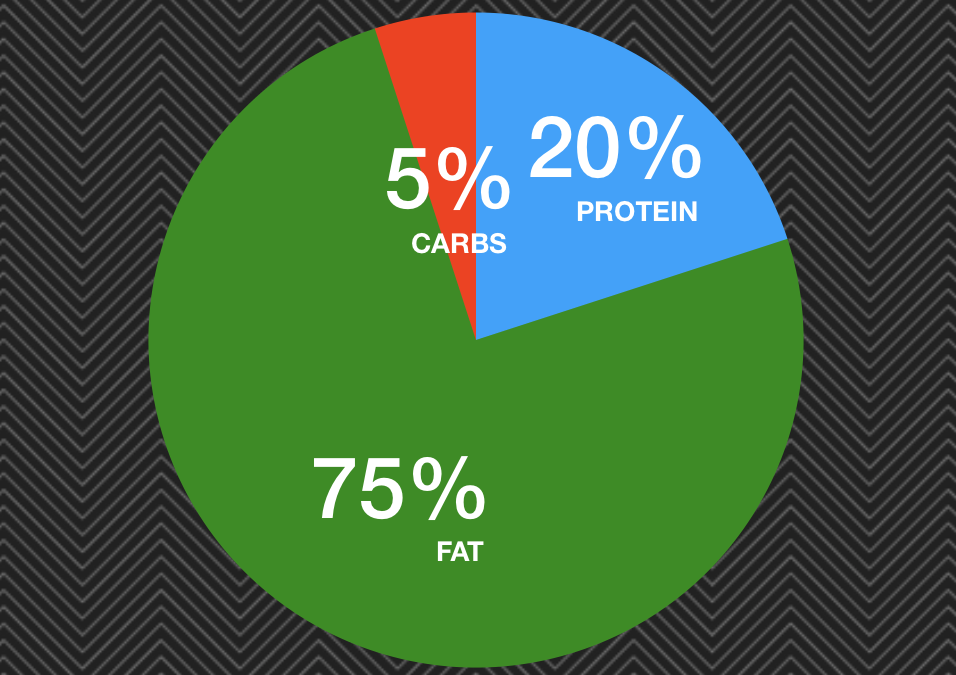
There have been a lot of modifications since Dr Atkins published his findings in 1972. If you were to follow the recommended proportion illustrations in the pie charts, you would get in ketosis, but you may not lose weight. From my clinical experience if you are using ketosis for weight loss in my mind most ketogenic diets have the proportion of fat and protein ratio out of proportion. Most people think that they are going to solve all your problems with this very simplistic approach and you are perhaps setting themselves up to fail.

The main reason fad diets don’t work is because they don’t meet your energy and nutrient requirements that your body craves. I have practised and devised a way of harvesting the ketogenic diet to lose weight and maintain it once you have lost it. Right now you might be thinking. I am in, show me the program. However, it’s not a one size fits all. Tailored to the individual each program is based on your history, metabolism, hormones and lifestyle, and that’s why it’s so successful. If you can’t wait for need or want to do it call me to discuss the possibilities.  

95% of diets fail unless they: 

    • Follow a proven system 
    • Tailored the diet to your needs, unfortunately not one size fits all
    • Can practically be implemented
    • You have a good reason that motivates you  
    • And you are accountable to someone 

If you have been on a diet before and you were frustrated that it wasn’t producing the results you wanted. I will show you a system that works, call me, and we discuss the possibilities.

What is Ketosis and how it works?

Ketosis is a state when your body has used up the available blood glucose and has turn to burn Free Fatty Acids as an energy substitute. The liver is the main organ that liberates the free fatty acids into the bloodstream where every cell in the body can use it. To have the best possible outcome I clinically access your suitability. We may need to support some metabolic imbalance first and then tailor a program along with a monitoring and reporting system so you and I can continually access your progress. Insulin allows muscle, fat and liver cells to absorb glucose from your blood. The glucose provides energy to cells, or it can be converted into free fatty acids FATS for longterm storage as body fat. 

However, insulin is not used to reverse engineer the fat back into glucose… instead, ketones bodies are produced from the fats when carbohydrates are glucose is low. Insulin also helps in metabolising the breakdown of fat or protein. In healthy individuals. Insulin is a tightly regulated process, allowing the body to balance its energy needs. In ketosis, insulin demand is a lot less as there is less glucose to stimulate the release of insulin into the bloodstream.

Is Ketogenic diet Really For You?

Generally, most people can do the diet. However, if you have any of the following conditions, it is not wise to do a ketogenic diet unless you are under supervision by a health professional. If you are in any doubt, it would be wise to consult with your doctor.  

DO NOT DO the ketogenic diet if: 

  • You have a chronic disease illness or feel unwell without consulting, or you are  under supervision by a health professional: 
  • Type 1 diabetes. In diabetic ketoacidosis, is a high concentration of ketones and lack of insulin in the bloodstream, this can occur mainly in people with type 1 diabetes the cannot produce enough insulin in the blood and prevents glucose absorption. It is a serious condition and can be a life-threatening illness. Ketoacidosis is very different from ketosis. It rarely occurs in a person with type 2 diabetes. If you have diabetes, please seek medical advice before starting a weight loss program.
  • Damage liver and kidney patients have difficulty breaking down ketones
  • Liver transplant patients
  • Kidney transplant patient


What the risks associated with the diet?

  • Constipation is the most common side effect in about 30% of keto dieters, easily managed if you increase your fibre intake.
  • Light headiness can occur if don’t drink enough water
  • Loss of electrolytes is a real concern, low levels of sodium and potassium may put the dieter at risk of a cardiac arrhythmia.
  • Low blood sugar. It takes a few days to get into ketosis, for most people they adjust well and are stable and lower blood sugar levels. However for people who are type 2 diabetes if can difficult to adapt to this change. 
  • Keto flu is like the Flu symptoms associated with adapting to a ketogenic diet are common in some people, symptoms like nausea, headaches, fatigue, sugar cravings. 
  • Dehydration easily fixed stay well hydrated with water when on a weight loss program. 
  • Kidney stones if you suffer from gout this may be a potential risk. I never had a patient have kidney stones while on a diet. Most people stay well hydrated which prevents kidney stones.
  • Muscle loss this can occur if your carbohydrate and other macronutrients intake are to low or you have difficulty cannot absorb the protein in the diet. 
  • Heart problems If you are on blood pressure medication the combination of the ketogenic diet and the blood pressure med may take your blood pressure too low, which can be dangerous, even deadly if it goes to low. Always see your health professional before and while you are on a diet if you are on blood pressure medication.
  • Acetone breath may occur if you do not drink enough water.

I run a weekly weight loss program either online or from my Brisbane clinic/rooms ask about my 1st care package or just be in touch I would love to hear from you even if it’s just to help you with what you’re currently doing. 

in wisdom and good health
Brendon.
Phone: +61 409 278 320 

Brendon-Groves-Naturopath-Practitioner
Written by: Brendon Groves Clinical Naturopathic Practitioner and Founder of Groves Naturopathics
September 11, 2018
In Part 3, I will discuss: How Hormone Gherlin Stops You Losing Weight
 
How to Burn Fat and Preserve Muscle Safely with Ketogenic Diet, Part 1

How to Burn Fat and Preserve Muscle Safely with Ketogenic Diet, Part 1

Origin of Ketogenic Diet

The ketogenic diet’s exciting story of how it came to be over the last 2,500 years.
The source of the therapeutic use of a ketogenic diet started with Hippocrates, the Greek physician. Then around 400 BC when he discovered the anti-seizure properties of fasting, inducing a state of calm with ketosis. Unfortunately, this treatment did not last long because patients would get hungry and start eating again, and seizures soon returned after the food was reintroduced. ref (1)


hippocrates

Hippocrates 400BC


In the early part of the 20th-century a Bodybuilder, author and health advocate Bernarr Macfadden, published his health magazine. “Physical Culture” with over 500,000 readers by 1919, it outlined his ideas on fasting as a means of restoring health to treat various ailments including epilepsy. ref (2)
This drew the attention of doctors including endocrinologist Dr Rollin Woodyatt who discovered the 3 ketone bodies: 

  • Acetone.
  • β-hydroxybutyrate. 
  • Acetoacetate. 

The ketone bodies were identified when a normal subject was fasting, or a diet containing a lower proportion of carbohydrate and a high proportion of fat.

The discovery of the Ketogenic Diet 

In 1919 at the Mayo Clinic Dr Wilder discovers the ketogenic diet by modifying the intake of macronutrients:

  • Fat. 
  • Protein. 
  • Carbohydrates.

Based on the work summarised by Woodyatt. Wilder induced ketogenesis administered through diets which were high fat, moderate protein, and low carbohydrates and examined the benefits of fasting. ref (3)

Ketogenic diet balance

Dr Wilder proposed that a ketogenic diet should be more effective than fasting, for people with epilepsy. Also it could be maintained for a more extended period on time, compensating for the disadvantages of a lengthy fast. Peterman at the Mayo Clinic reported the first ketogenic diet results in 1925. ref (4)
In the 1920s and 30s, the popularity of ketogenic diet developed as the go-to therapy for epilepsy. It was designed to provide a longer-term solution to fasting, which had demonstrated success as an epilepsy therapy. The diet was eventually discarded mainly due to the formulation of new anticonvulsant medicines.

Ketosis with MCT Oil

To make the diet more palatable in 1971, Peter Huttenlocher introduced a ketogenic diet where 60% of the calories came from medium-chain triglycerides (MCTs) oil. Where more protein and carbohydrates were allowed in the menu, it was more enjoyable for the children who were on this diet. The Mayo Clinic reported successfully, a therapeutically significant’s with the MCT diet. As a result, other centres and hospitals adopted it in place of the classic ketogenic diet as a therapy to childhood epilepsy. ref (5)

The Atkins Diet

In the 1970s a cardiologist, Dr Robert Atkins, developed a modified version of the ketogenic diet that was published in 1972. “Dr Atkins’ Diet Revolution.” It went viral and became a bestseller selling over 15 million copies worldwide according to the New York Times. The Atkins diet is a high-protein, high-fat, very low-carbohydrate regimen. It emphasises meat, cheese, and eggs while discouraging foods such as bread, pasta, fruit, and sugar. It is a form of a modified ketogenic diet. ref (6) 

Ketogenic diets piechart

It is important to note that ketogenic diets were not necessary for losing weight, they were designed as a treatment option for people with epilepsy by inducing a state of ketosis, the ketone bodies reduced the frequency and severity of the seizures in most patients who adhered to the diet. Dr Atkins was the first Doctor to use the diet to promote weight loss. 

Ketogenic diet timeline

My Clinical Application of the Ketogenic Diet  

For a long time, I have used a ketogenic diet in my practice after years of clinical observation. With the help of a colleague expert in the field, and painstaking clinical research along with the hard work of testing and tasting recipes. At times I felt like the pioneer Hippocrates. As a result I see people from all walks of life, like the 70-year old man who came to see me with stomach bloating, reflux, and gastrointestinal discomfort. After a thorough evaluation and some functional tests, along with adequate preparation he embarked on my keto modified diet. Within three days he was in ketosis and felt a lot better, his symptoms started to subside. He put in a solid effort following the program to the letter. His wife’s supported he was on the journey to recovery and he lost over 10 kg in 35 days, improving his health. 

Reliable data shows that a ketogenic diet can be safe for most individuals when monitored closely by a health professional.
I run a weekly weight loss program either online or from my Brisbane clinic / rooms. Ask about my 1st care package or just be in touch I would love to hear from you even if it’s just to help you with what you’re currently doing. 

With love and good health
Brendon.

Phone: 0409 278 320

PS: My aim is not to present a professional researcher or scientific paper, it is my interpretation to give you a conceptual understanding of the history and the concept of the ketogenic diet.

In Part 2, In I will discuss 

Success and Safety Implementing the Ketogenic Diet

In wisdom and good health
Brendon.
Phone: +61 409 278 320

Brendon-Groves-Naturopath-Practitioner
Written by: Brendon Groves Clinical Naturopathic Practitioner and Founder of Groves Naturopathics